Sometimes the places closest to home are the places we know the least about.
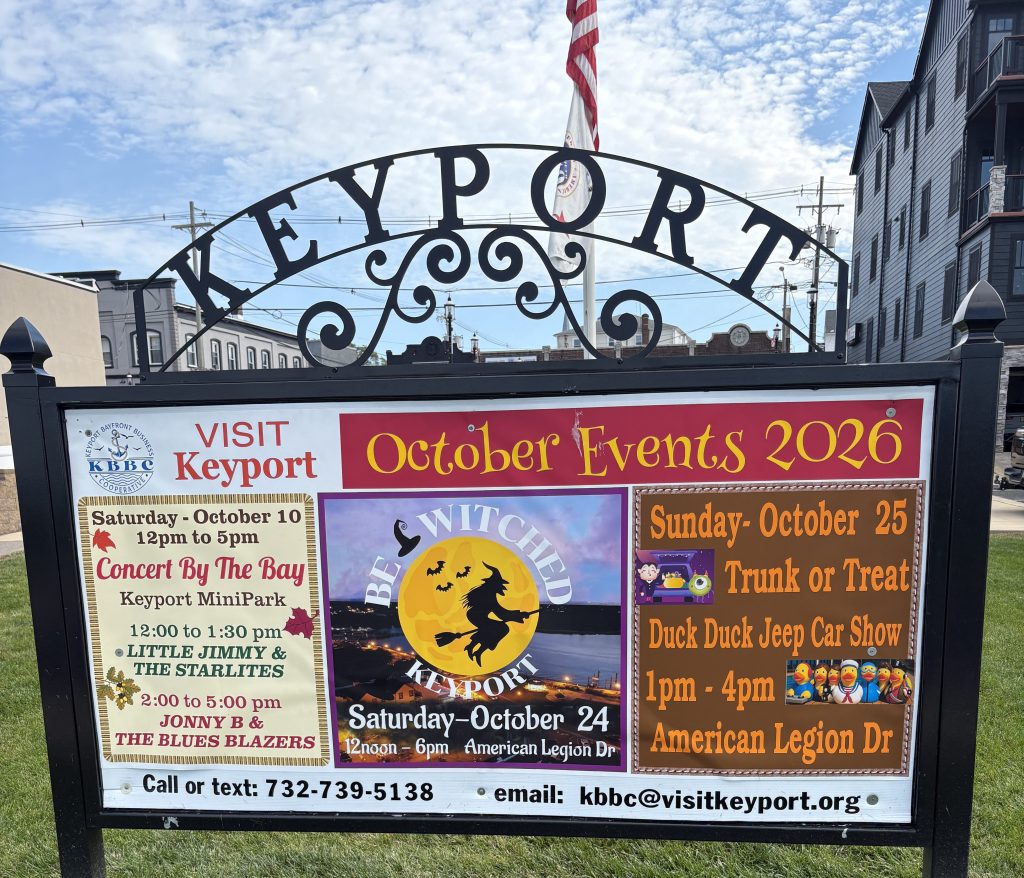
I grew up not far from Keyport, New Jersey, yet I have no recollection of my family ever taking me there. It wasn’t a place we talked about, and I never gave that much thought.
Until recently.
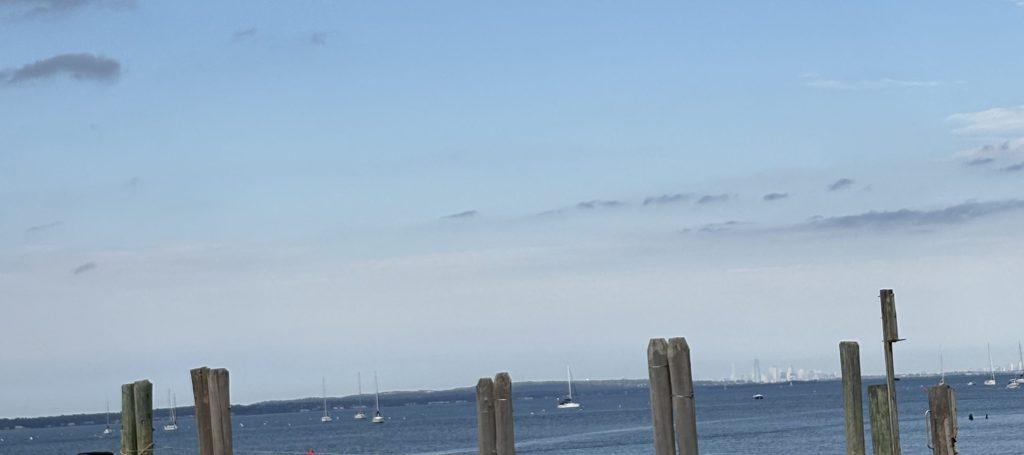
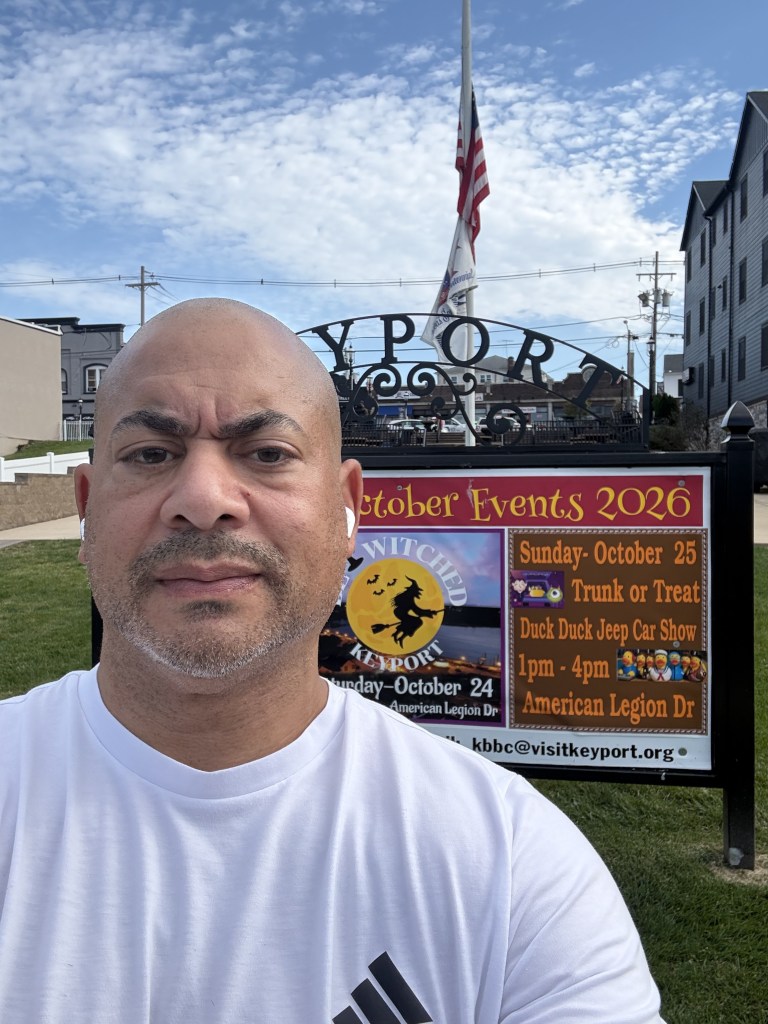
While visiting family, I decided to spend an afternoon exploring Keyport. What I found was a charming waterfront town with historic buildings, colorful murals, small businesses, and a beautiful view of the New York City skyline across Raritan Bay.
There was something refreshing about exploring without an itinerary.
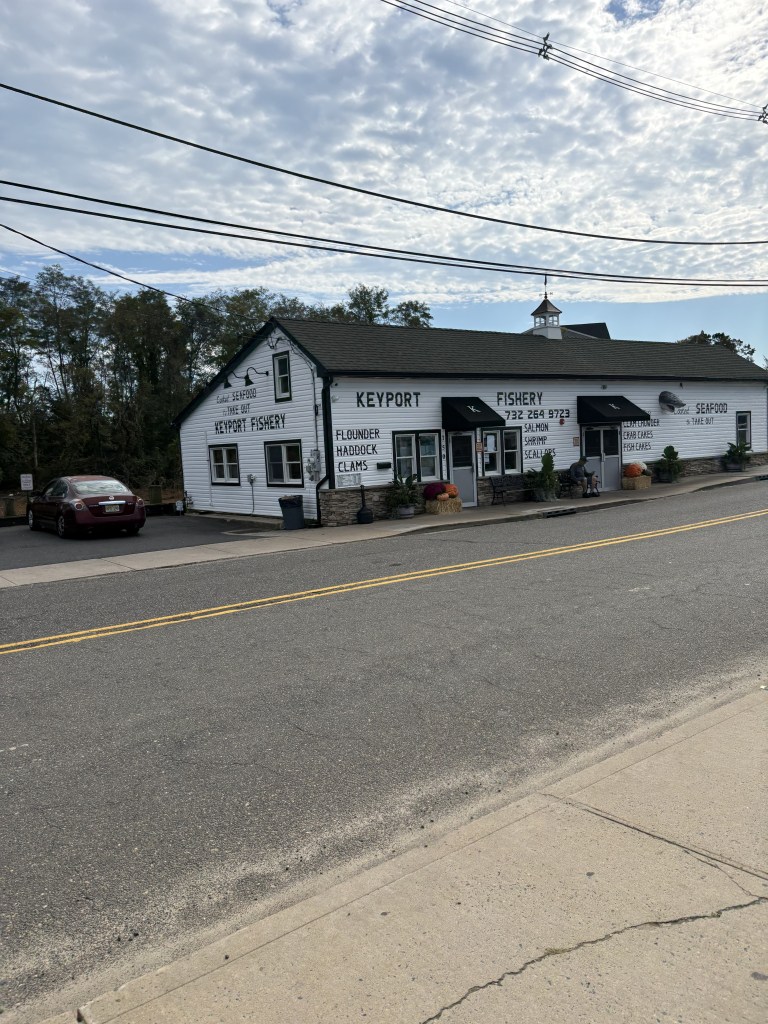
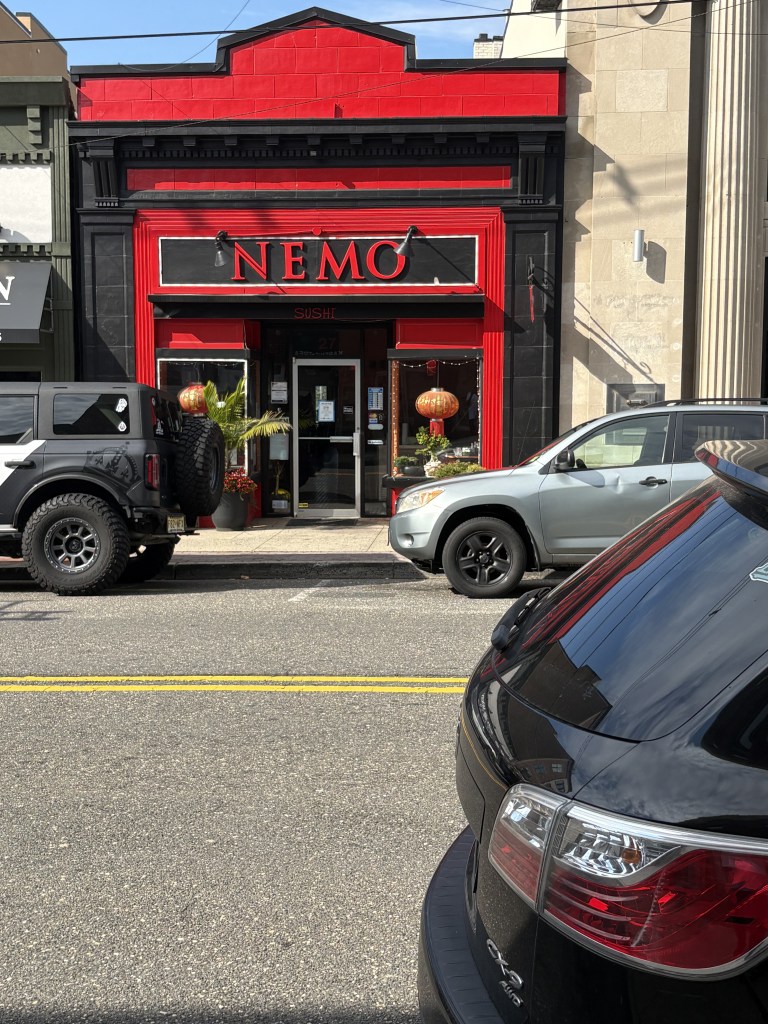
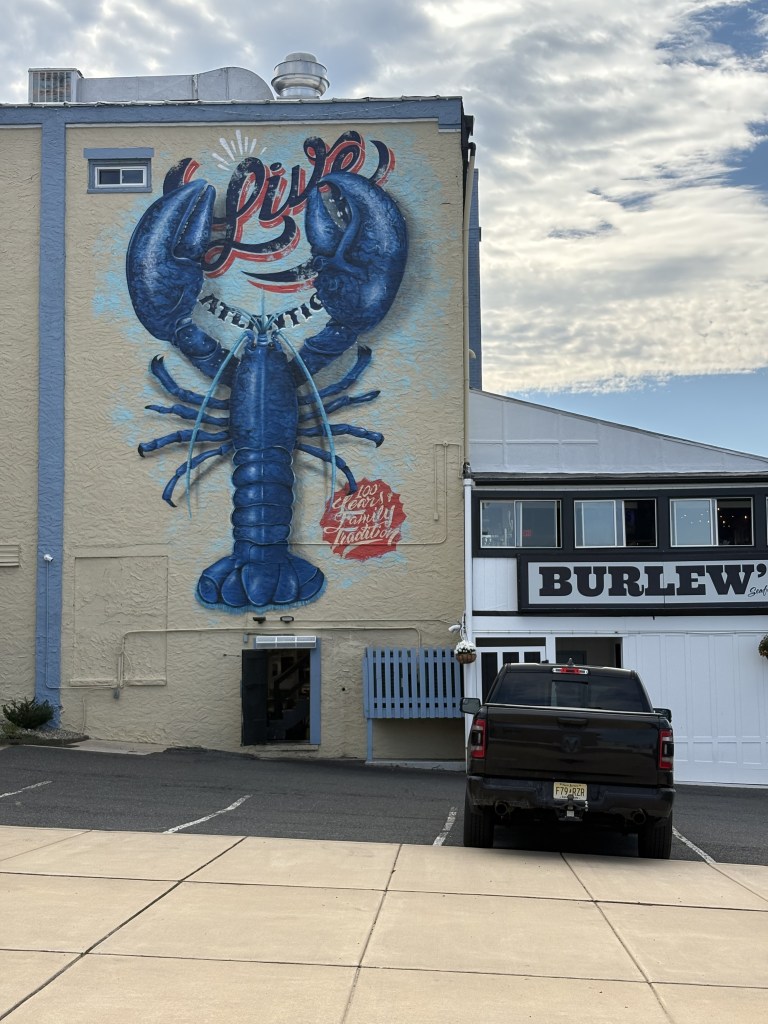
I passed the Keyport Fishery, a reminder of the town’s longstanding connection to the water. Not far away was a sushi restaurant named Nemo, a playful touch that made me smile. There were colorful storefronts, a giant lobster mural celebrating a family seafood tradition, and historic buildings that suggested the town had plenty of stories to tell.
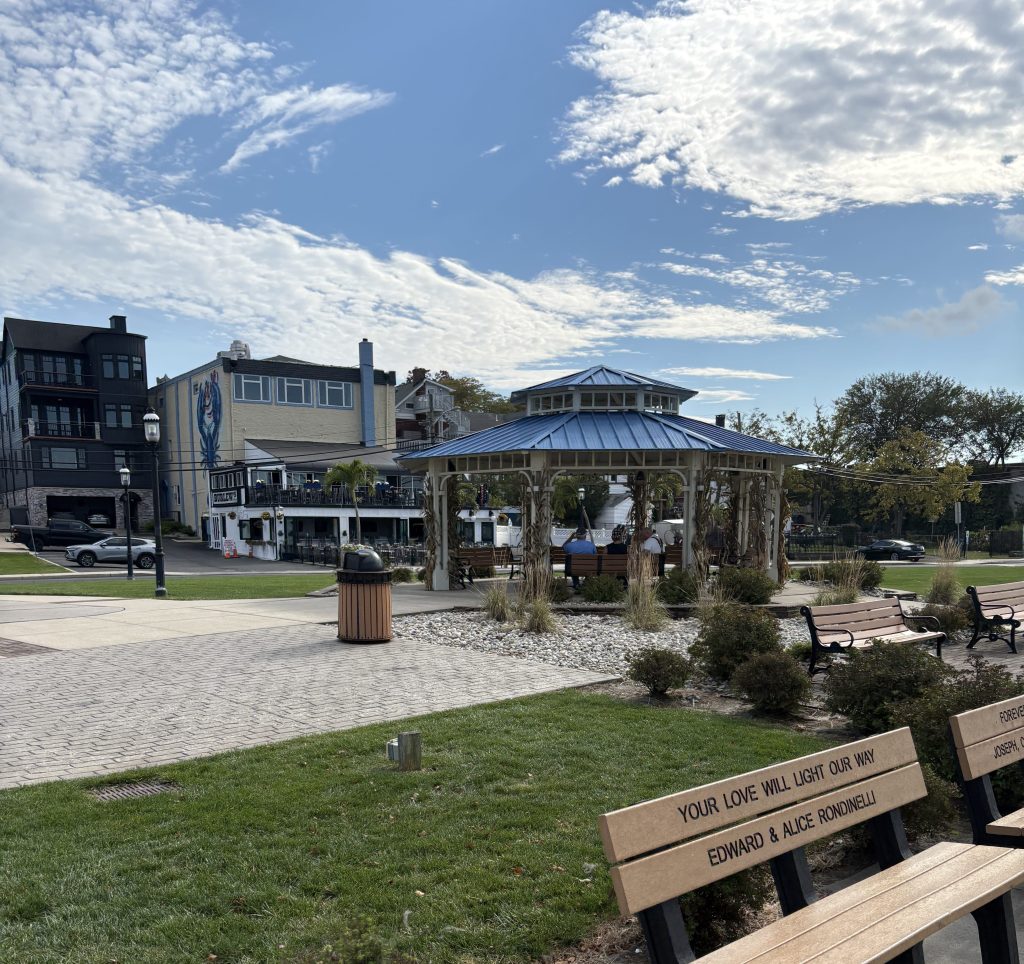
Along the waterfront, I noticed benches dedicated to people who had been part of the community. Each carried a name, a memory, or a message of love. I liked the idea that these memorials offered strangers a place to sit and enjoy the view.
And then there was the New York City skyline, visible in the distance across Raritan Bay. The contrast between a small waterfront town and one of the world’s busiest cities was striking.
Keyport had character. It had charm. And I found myself wondering why I had never explored it before.
The History I Didn’t Know
It wasn’t until after my visit that I began learning about another side of Keyport’s past.
During the 1920s, the Ku Klux Klan had a documented presence involving residents of Keyport. Historical newspaper accounts describe local men participating in Klan activities, part of a broader period of racial and religious intolerance throughout New Jersey.
That discovery caught me off guard.
When I told my family about visiting Keyport, I got the impression that there might have been reasons we never went there when I was growing up.
I can’t say that the town’s Klan history was the reason. I haven’t had those conversations yet. But knowing what I know now, I can’t help wondering.
And that’s where the expression ignorance is bliss comes to mind.
I had spent a wonderful afternoon enjoying a town without knowing anything about this troubling chapter in its history.
Would I have seen Keyport differently if I’d known beforehand?
Perhaps.
But would that history have made its waterfront less beautiful, its historic architecture less interesting, or its local businesses less deserving of appreciation?
I don’t think so.
A Few Bad Apples?
There’s an old saying that a few bad apples can spoil the bunch.
I thought about that when considering Keyport’s history.
The beliefs and actions of people in a community can leave a reputation that extends well beyond their own lifetimes. Sometimes those reputations influence how later generations perceive a place, even as the community itself changes.
But I also believe a town deserves to be understood as more than its darkest historical moments.
The Keyport I encountered was filled with small businesses, interesting architecture, public artwork, and memorials honoring loved ones. Those things matter, too.
The fish market, Nemo Sushi, the lobster mural, and the waterfront benches don’t erase what happened a century ago. But they remind me that communities are made up of many different people, experiences, and stories.
We can acknowledge the worst parts of a place’s history without allowing them to become the only things we see.
More Questions Than Answers
My visit to Keyport began as a simple afternoon of exploration. I wasn’t searching for a history lesson or trying to uncover anything about my family’s past.
Yet that’s exactly where my curiosity has taken me.
I now have another reason to explore the history of this small New Jersey town, and perhaps more importantly, to talk with my family about their own experiences and memories.
Did they know about Keyport’s past? Did they have experiences that shaped their perceptions of the town? Or was our lack of visits simply a coincidence?
I don’t know.
And I’m comfortable leaving those questions unanswered for now.
I enjoyed discovering Keyport, and I’m glad I went. Learning about its history hasn’t changed that. It’s simply given me something more to think about.
Maybe that’s what travel is supposed to do.
Not just introduce us to unfamiliar places, but encourage us to question what we think we know about familiar ones.
Ignorance may be bliss, but curiosity is how we grow.


Leave a Reply